6 min read
Designing around the afternoon sun
Orientation decides more about how a home feels than any finish we specify. A few principles we return to on every project.
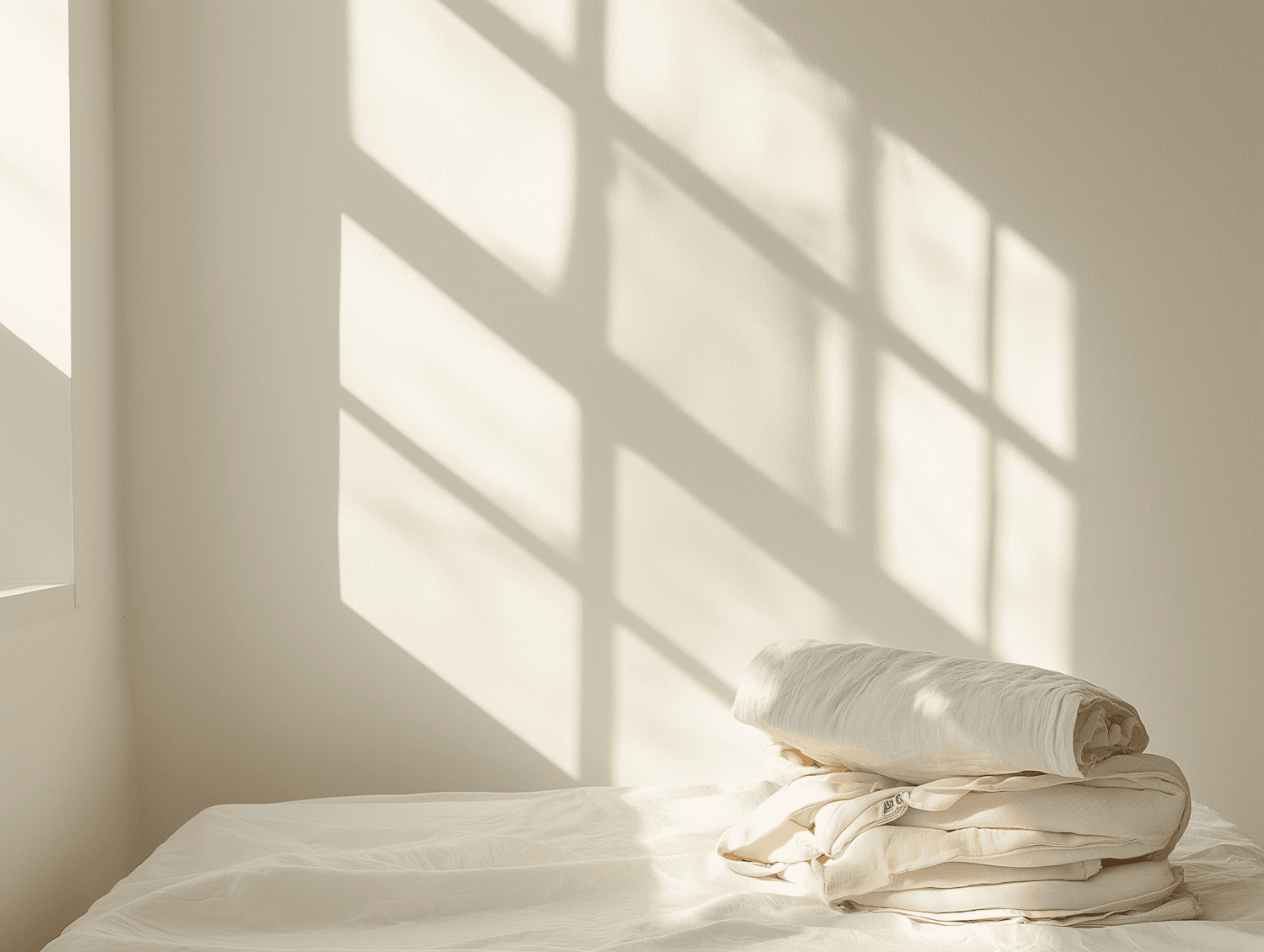
Ask anyone to describe the best room they have ever lived in and they will rarely mention its size or its finishes. They talk about the light: the way the morning arrived across a kitchen table, or how a living room turned gold for an hour before dinner. That light was not an accident. It was decided, consciously or not, on the day someone chose which way the house would face.
Start with the sun, not the plan
On every new project we spend the first visit doing very little. We stand on the site at different times of day and watch where the sun falls, where the wind comes from and where the neighbours look in. Only then do we start drawing rooms, and we draw them in the order the day uses them: breakfast to the east, living spaces to the south and west, bedrooms where the evening is quiet.
Deep windows, not big ones
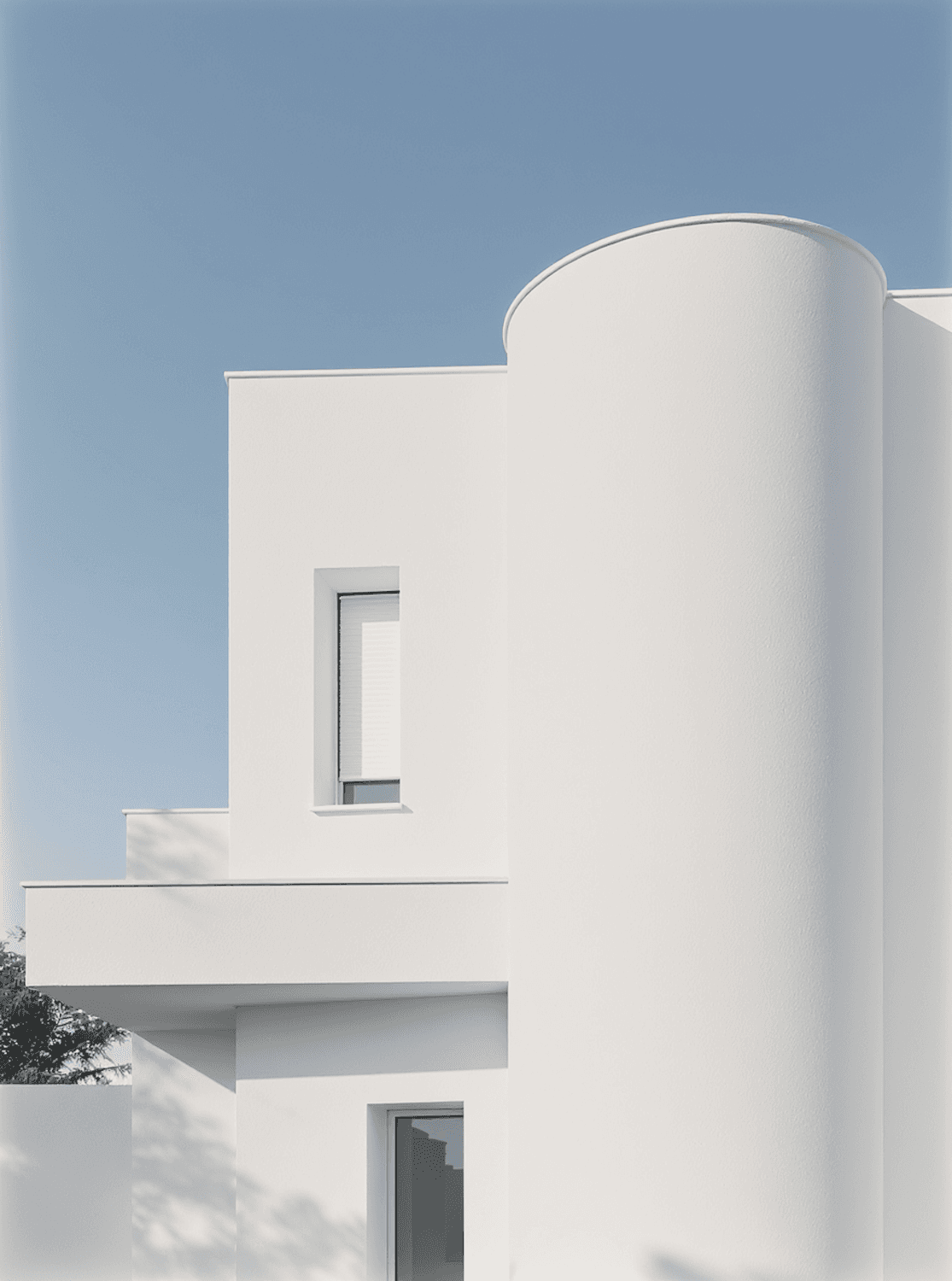
In Portugal and Spain the problem is rarely too little light. It is too much, arriving at the wrong angle. A deep window reveal, a shutter or a covered terrace does more for comfort than any amount of glass. We would rather give a room one well-placed window with a seat in it than a wall of glazing that needs its blinds drawn by noon.
A room that is beautiful at four in the afternoon is usually a room that was designed for four in the afternoon.
Let the walls do the work
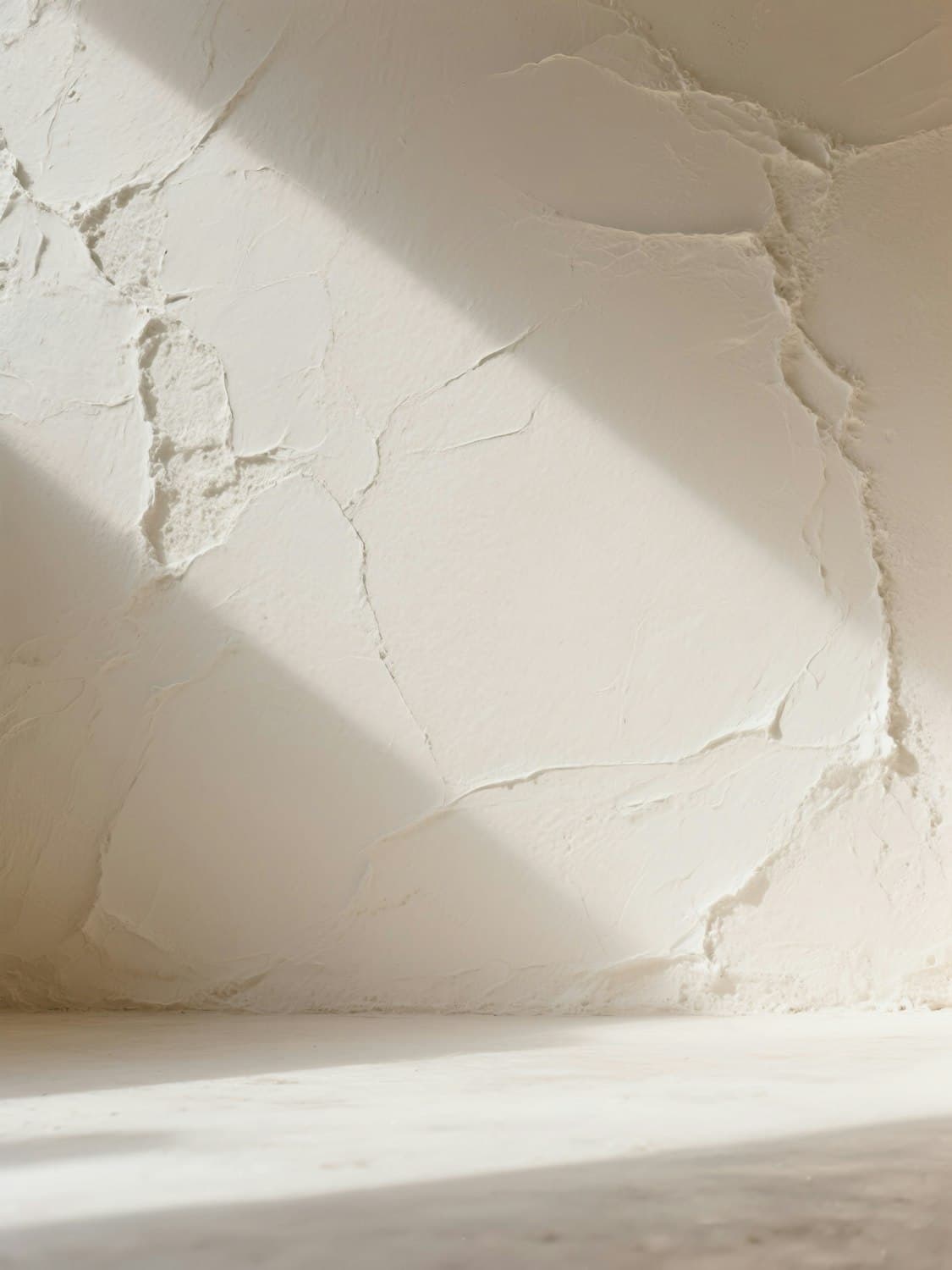
Thick walls of stone, brick or rammed earth store the heat of the day and release it slowly at night. Combined with cross ventilation, they keep a house comfortable for most of the year with very little mechanical help. Lime plaster finishes help too, softening reflected light and letting the walls breathe.
None of this is new. It is how houses in the south were built for centuries before air conditioning made it easy to ignore the sun. Our work is mostly to remember it, and to draw it carefully enough that the light arrives exactly where it should.